Diseases and Conditions
complete rectal prolapse

Rectal Prolapse

Written by in

What is Rectal Prolapse? This is a condition occurring when the rectum which is the lowest intestinal section, loses internal support and slips outside the body. Symptoms are many and this condition occurs in older adults – normally women and in some cases in young children. Rectal prolapse in infants may be a sign of cystic fibrosis. Rectal Prolapse Symptoms Symptoms of rectal prolapse include some of the following: Constipation Cystic fibrosis Fecal incontinence Feeling a bulge or protrusion thru the anus Anal bleeding The major symptom is a reddish colored mass that can stick out from the anal opening, especially following bowel movements. The lining of the rectal tissue [...]

Obstipation

Written by in

Obstipation Definition Obstipation is the patient’s inability to pass fecal matters or gas. It is essentially an extended and chronic  constipation.  When wastes cannot be completely eliminated from the intestines it becomes a chronic state and the intestines can become obstructed. There is no precise diagnostic exam for obstipation.  The condition of obstipation is identified by the patient’s health history and the signs and symptoms which are present at the time of the medical examination. A person who is chronically constipated is likely to feel bloated almost continually.  Often that will lead to anorexia, tenderness and abdominal discomfort.  If constipation is ignored, the patient will have more complications. It is [...]

Diaphoresis

Written by in

Diaphoresis The body performs best if its temperature is around 37º Celsius (98.6º Fahrenheit). The body’s internal temperature is closely monitored by the hypothalamus. Once the temperature reaches a point where homeostasis is compromised, the hypothalamus will try to lower it by the triggering the sweat mechanism. Sweating is the body’s inherent method of regulating temperature that is why people would sweat more if the temperature outside is high, when doing exercises or when responding to circumstances that would make them afraid, embarrassed or angry. The amount of sweat produced would depend on the number of sweat glands a person has. Normally, a person has around 2 – 4 million [...]

trichomoniasis trich PICTURES

Trichomoniasis (Trich)

Written by in

What is Trichomoniasis? Trichomoniasis (commonly referred as “Trich”) is a sexually transmitted disease (STD) caused by the parasite, Trichomonas vaginalis. The parasite settles at the urogenital tract and infects sexually active individuals. This will happen with multiple partners or with those who do not use any form of protection. This is the most frequent but curable STD in sexually active young women. Most patients who were diagnosed with gonorrhea and non-gonococcal urethritis were also found to be infected with this disease. The protozoan parasite that causes trich survives in the dark moist regions of the body making the female anatomy a suitable host. Moreover, Trichomonas can manage to survive outside [...]

Biliary colic (Gallstones pain)

Written by in

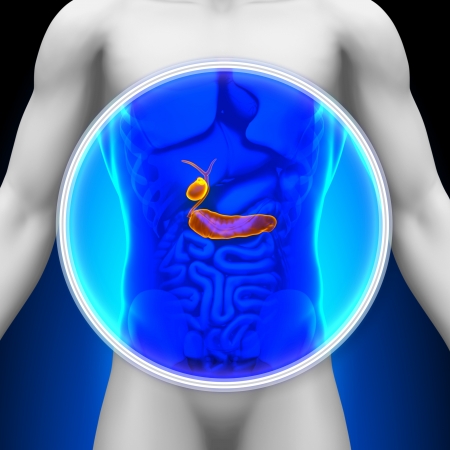
Biliary Colic Bile, a substance that helps in fat digestion, is produced at the liver and stored at the gallbladder. After a meal, bile is secreted from the gallbladder to the common bile duct where it goes into the small intestine and is mixed with partly digested food.  An obstruction in its normal flow would cause spasms in the bile duct, an attempt to remove the cause of the blockage. This pain usually occurs a few hours after the consumption of a meal rich in fats and is termed biliary colic. The term “colic” is in fact misleading since the pain felt in this condition is not intermittent but felt [...]

Hypersomnia

Written by in

Hypersomnia Definition Hypersomnia is the persistent excessive sleeping during daytime or prolonged nocturnal sleeping. The condition is also referred as essential hypersomnolence, non-REM narcolepsy or idiopathic CNS hypersomnia. This is not the same with fatigue felt due to night-time interrupted sleep or lack of sleep. Individuals with hypersomnia tend to frequently take a nap throughout the day at inappropriate times like during a conversation, work hours or even when taking a meal. These naps taken do not relieve the symptoms. Oftentimes, these individuals will have trouble waking up from their long sleep and most of the time would be confused. Idiopathic Hypersomnia Hypersomnia is divided into two categories: Primary hypersomnia [...]

Overactive Thyroid

Written by in

Understanding an Overactive Thyroid The thyroid gland is the small butterfly-shaped endocrine gland located at the anterior section of the lower neck, just beneath the larynx. This small gland is vital to the overall growth and metabolism of the body, keeping a very active role in maintaining homeostasis. The lobes of the thyroid are composed of follicles, small spherical sacs that are made up of follicular cells containing the enzymes necessary for thyroglobulin synthesis along with the enzymes essential for the release of thyroid hormones. The thyroglobulin forms the basic structure of the two types of thyroid hormones, Triiodothyronine (T3) and thyroxine (T4). Both these hormones are formed from two [...]

Herpes Simplex 1 and 2

Written by in

Herpes simplex is a viral disease which is caused by Herpes simplex viruses. It is a recurring disease marked by the eruption of blisters on the mouth, lips, or face. These blisters or vesicles contain clear fluid. Infection with the herpes virus is usually categorized based on the site of infection. Herpes Simplex Types There are two types of herpes simplex virus: Herpes Simplex 1 HSV type-1 – It commonly infects the mouth and lips, causing sores which are known as fever blisters or cold sores. Herpes Simplex 2 HSV type-2 – It is the usual cause of genital herpes, but can also infect the mouth depending on the circumstances. [...]

Herpes Simplex 2

Written by in

The herpes simplex 2 virus generally affects human genital parts. The main but not only reason for the virus transmission is sexual activity with the infected person. It causes genital sores. However, some people with genital herpes simplex 2 virus do not have any symptoms. With the Oral genital contact can cause cross infections of type 1 and 2 viruses which means you may get herpes simplex 2 mouth and likewise, one can also get oral herpes on genital area. Symptoms of Herpes Simplex 2 Symptoms of herpes simplex 2 can be found in anyone. Generally, people do not notice this at the early stage when they get exposed to the [...]

mild dose of penis warts herpes

Genital Herpes

Written by in

Genital herpes is common. This very contagious sexually transmitted disease is caused by a Herpes simplex virus.  It is transmitted from one person to another usually during sexual contact and results in blisters or groups of small ulcers (open sores) on and around the genitals of both men and women. In genital herpes, the viral infection is usually transmitted through intimate contact with the moist mucous linings of the genitals. The Herpes simplex virus enters the mucous membranes through microscopic tears . Contact is with the mouth, the vagina, the genital skin or the areas adjacent to infected skin. On entering the body, the virus moves to the nerve roots [...]

Page 3 of 812345...Last »